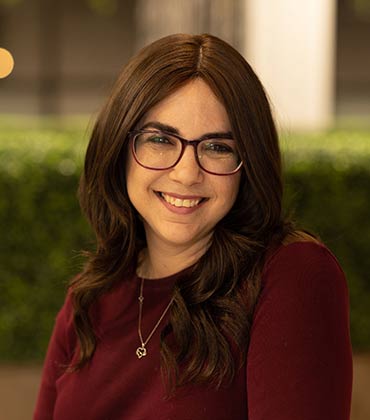
Laura J. Silverstein is a seasoned home health executive and registered nurse with advanced degrees and certifications in wound care and dementia care. With deep clinical roots and leadership experience, she champions patient-centered care, staff empowerment and continuous learning to drive compassionate, high-quality outcomes in community-based healthcare.
In this interview, Silverstein shares her leadership approach to advancing home healthcare through clinical rigor, caregiver empowerment and deep empathy. She emphasizes personalized dementia care, the thoughtful use of technology and the need to keep compassion at the core of every decision.
Leadership in Action: Strong Teams, Skilled Care, Patient First
Patient care shapes everything I do. Leading teams over the years has shown me that excellence in home care is never about policies alone. It begins with believing that every patient deserves the same respect and dignity we want for our families. That perspective guides every decision and every standard.
Strong teams turn that belief into practice. Hiring skilled nurses and aides matters, yet skill alone is not enough. Great care defines how people show up, listen and respond when the situation does not follow a script. Training builds clinical expertise, but character and empathy guide judgment when no checklist applies. This conviction drives how I build and support teams. My role has grown beyond hiring. It is about creating an environment where caregivers can do their best work. We look for people who carry that sense of responsibility and strengthen it through mentoring, education and clear expectations.
Home care has many rules for a reason. These regulations protect both patients and those who serve them. I have learned that compliance only becomes meaningful when people understand its purpose. Clarity builds accountability and lifts standards across every department.
When respect, empathy and preparedness take hold, care changes. Patients feel safer. Families feel heard. Caregivers feel proud of their work. That is the direction I will always push toward, no matter how complex the system becomes.
From Challenge to Outcome: Advancing Dementia Care Strategy
Home care has shown me how deeply personal someone’s space can be. Small details carry meaning. Something as simple as how a person likes oatmeal or how towels are folded speaks volumes about dignity and comfort. Over time, I have learned that these details are not trivial. They form the foundation of trust
I believe the future of healthcare will depend on how well we hold on to this truth. Training and systems matter, but in the end, empathy is what makes care effective and worthy of trust. That is the standard I want to protect, no matter how hard the work becomes.
Working in someone’s home changes the dynamic of care. In a hospital, the patient enters our world. At home, we enter theirs. That shift shapes everything. I remind every caregiver that we are guests and that respect begins when we cross the threshold.
This perspective becomes even more critical when caring for someone living with dementia. I have seen how difficult these situations can be for patients, their families and the caregivers who want to help. Strategies that come naturally to me after years of experience may not come easily to others. That realization pushed me to create support systems that go beyond general training.
Standardized programs have limits. Real progress comes when we see each patient individually and work directly with caregivers to adapt approaches to specific needs. Personalized guidance gives caregivers confidence and shows families that their loved one is understood, not just treated.
This approach now extends to the people who support our caregivers. Scheduling coordinators receive dementia training to respond with insight instead of defaulting to reassignment when a challenge arises. It changes the conversation. Rather than passing along a problem, they ask the right questions, suggest solutions and help the caregiver succeed.
I believe the future of home care depends on this kind of attentiveness. When teams are trained to listen, adapt and honor individuality, care stops feeling like a service and becomes a relationship. That is when real healing happens.
Vision for Patient Services: Powering Home Care with Technology
Home health has shown me how deeply people want to remain where they feel most at home. The goal is clear. Help them stay safe, independent and out of hospitals for as long as possible. Over time, I have seen that even small support can make that possible.
As older adults become more comfortable with technology, new ways to strengthen that independence emerge. Remote patient monitoring is one of the most promising tools. Wireless devices track signs such as blood pressure or weight and share the data for review. That constant feedback changes behavior. Something as ordinary as stepping on a scale daily can prompt someone to pay attention to their choices. When people know their health is being tracked, they notice patterns and make decisions before a crisis happens. I have watched that awareness grow into confidence.
What excites me most is not the technology itself but what it makes possible. It gives people more control over their health and allows them to live fully in their homes with a safety net that does not intrude on their lives. That, to me, is the future of home health.
Outlook for the Field: Choose Empathy, Always
No matter how complex healthcare becomes, empathy cannot be allowed to slip away. I have seen how that risk grows. Nurses and caregivers work long hours. They are tired and often feel unseen. In those moments, moving faster and focusing only on tasks is tempting. That is when I pause and ask a simple question. How would I want to be treated if it were me? How would I want my own family to be treated?
That pause changes everything. It turns care into connection. It reminds us that behind every chart is someone who wants to be seen, heard and treated with dignity. Compassion cannot depend on how easy the day feels or how agreeable the circumstances are. It has to be constant.
Sustaining that mindset is not easy, especially when teams are stretched thin. Yet it is essential. Without empathy, the best technical care becomes hollow. With it, even ordinary moments feel safe and human.
Looking ahead, I believe the future of healthcare depends on how well we hold on to this truth. Training and systems matter, but in the end, empathy is what makes care effective and worthy of trust. That is the standard I want to protect, no matter how hard the work becomes.